Real results, from input image to molecular readout.
Two worked examples: segmentation, virtual staining, toxicity and stress maps, pathway activity, and gene expression.
Representative figures.
From one brightfield image to a full molecular readout.
A single HEK293T field, imaged label-free. Nervoid segments every cell and estimates viability, toxicity, signaling-pathway activity and gene expression, in about 19 seconds.
Model CPG-XLI · HEK293T, brightfield
- 1,037
- Cells analyzed
- 73.4%
- Viability
- 3.7%
- Toxic cells
- 19.3s
- Processing
go
moderate
Representative figures.
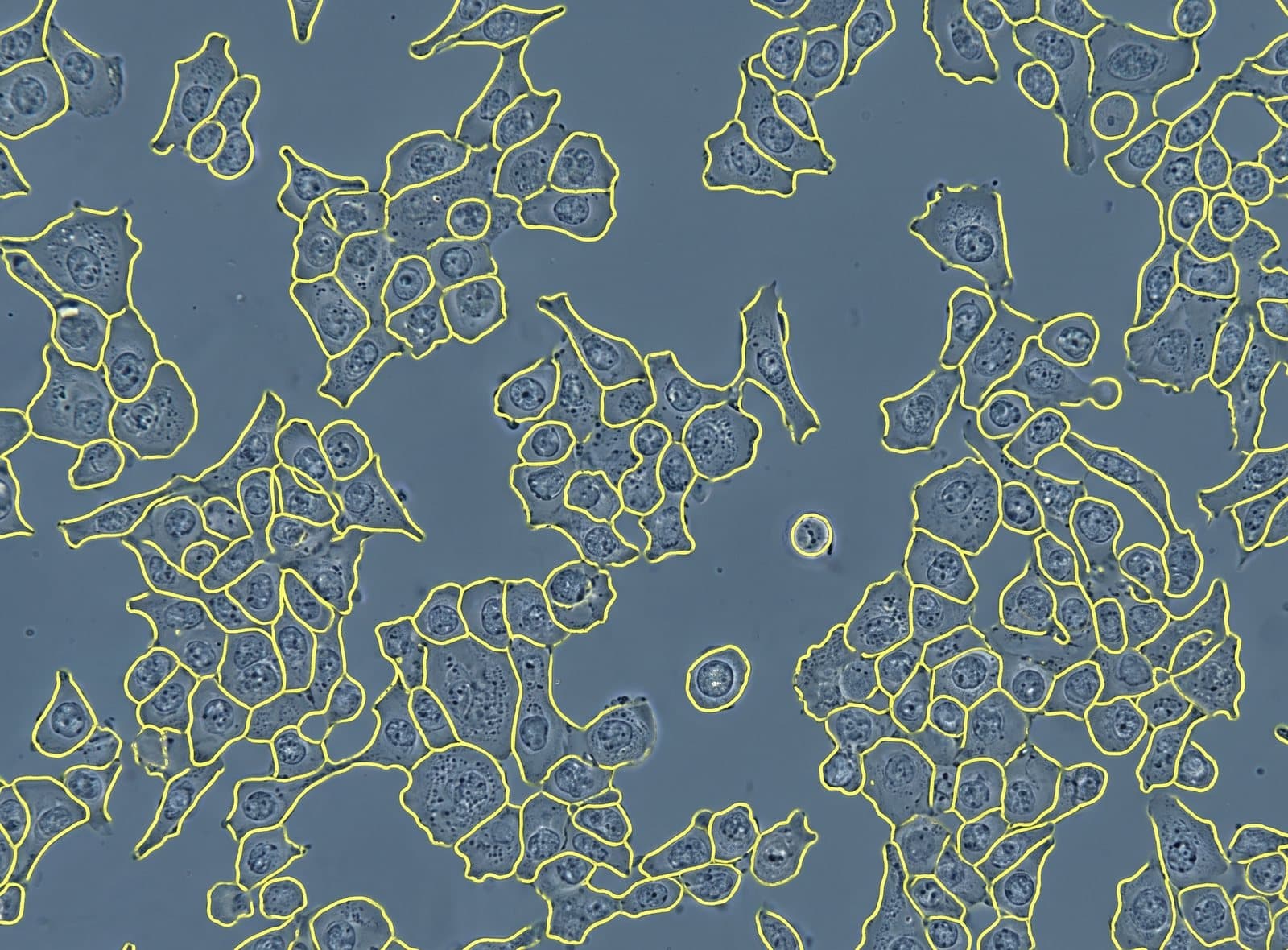
Every cell, segmented
From a single brightfield image, Nervoid finds and outlines all 1,037 cells in the field, no stain required.
Representative figures.
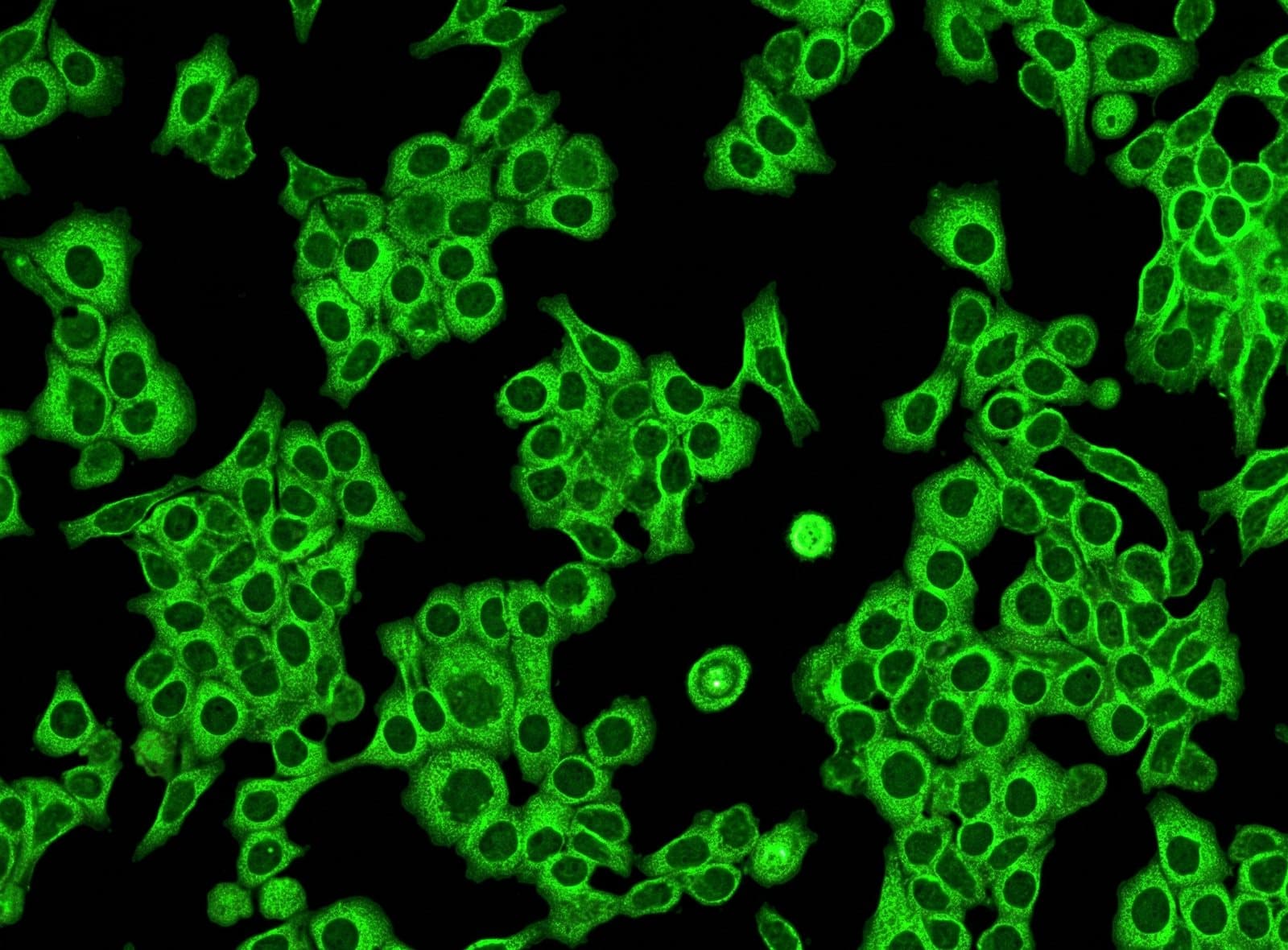
Virtual fluorescence stain
A predicted fluorescence stain, generated from the label-free image. No dye, no extra imaging step.
Representative figures.
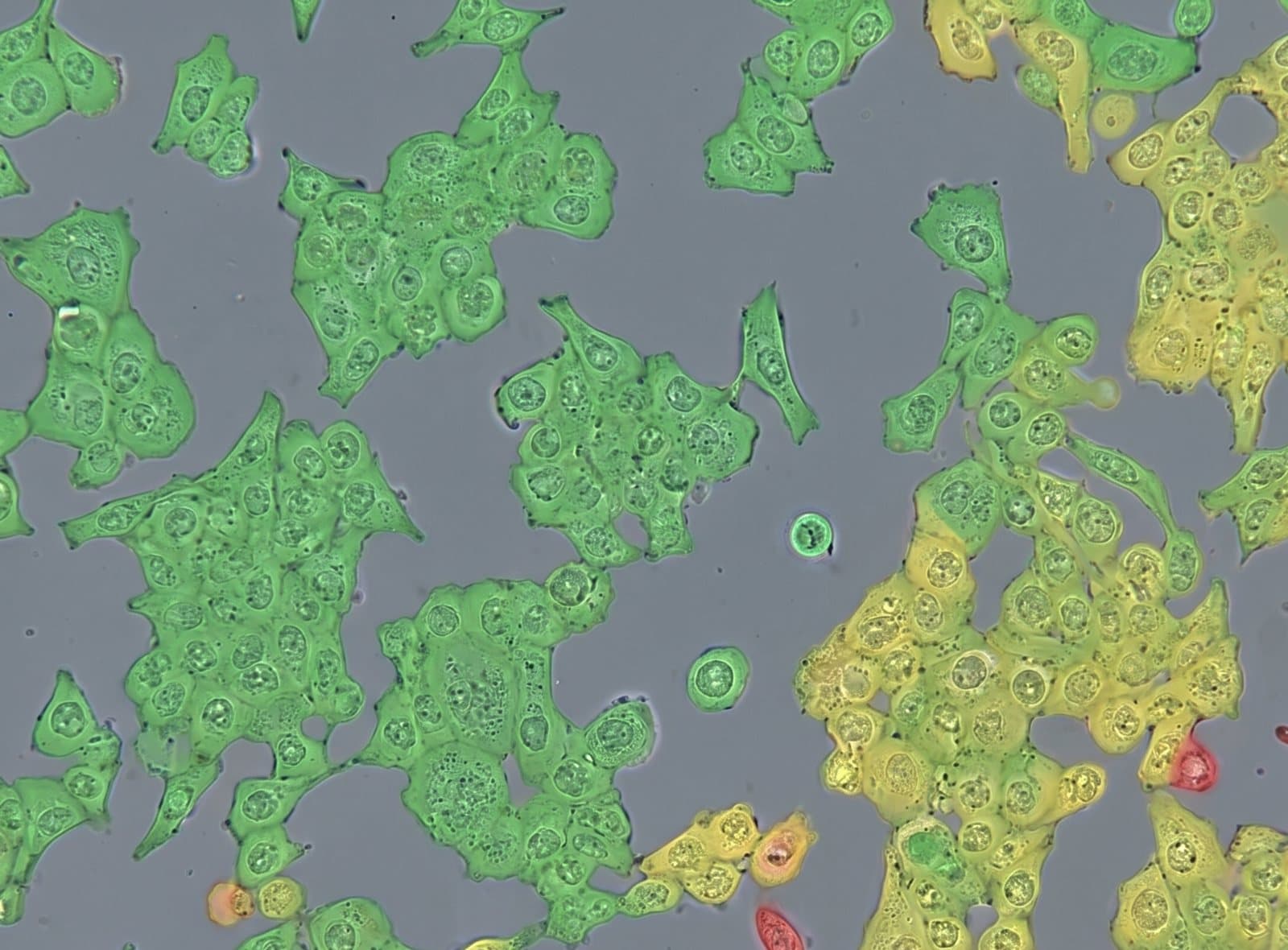
Per-cell toxicity
Each cell is scored from healthy to dying. Here, 73.4% viable with a moderate population toxicity score.
Representative figures.
Differential gene expression
Genes shifting up and down against the population baseline, read straight from the image.
Representative figures.
Signaling-pathway activity
Activity relative to the population mean.
- Glycolysis98
- Apoptosis46
- EMT27
- B cell activation25
- Heat shock response18
- Amino acid metabolism17
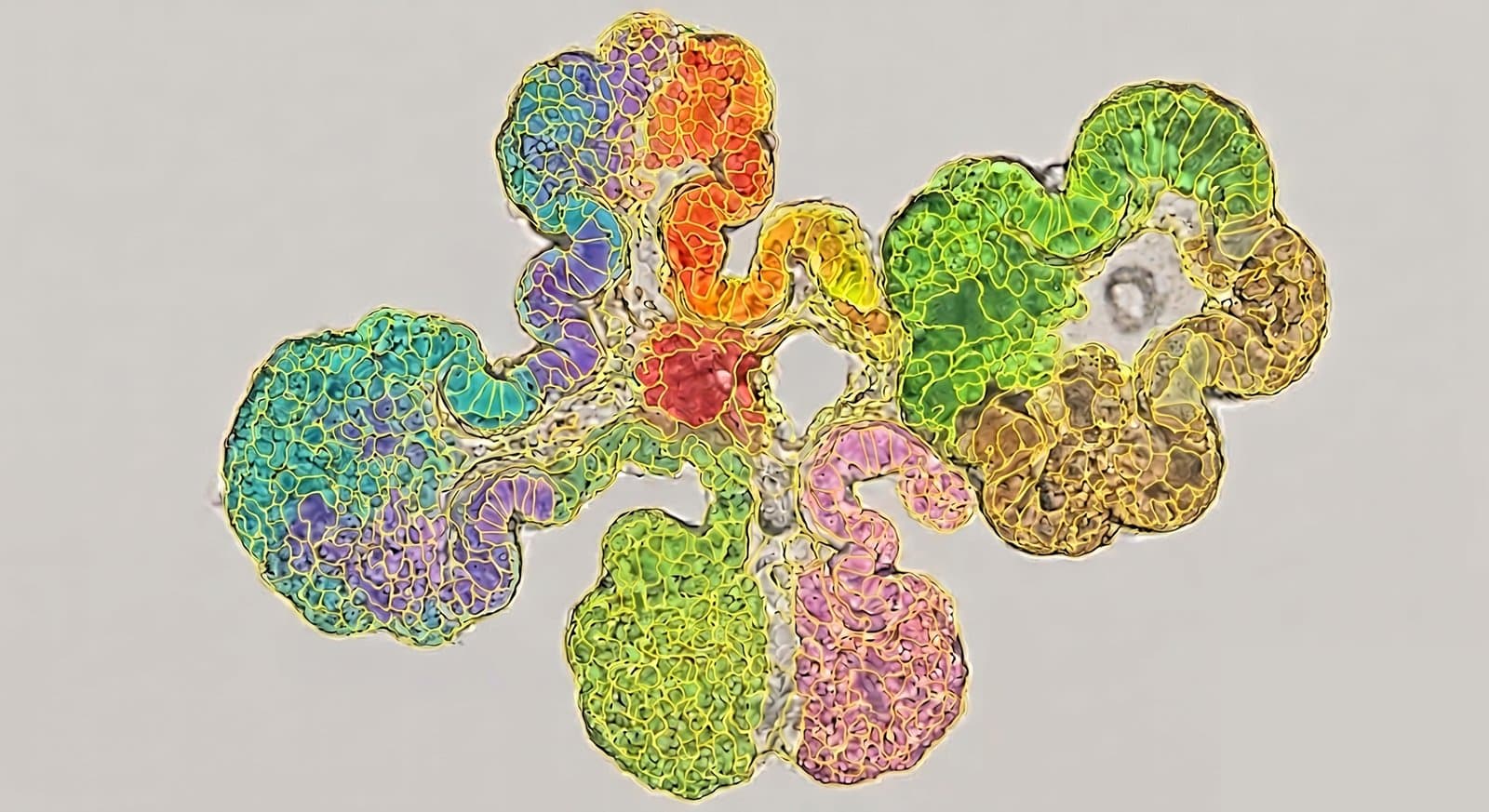
Cell-type identity and stress across a whole organoid.
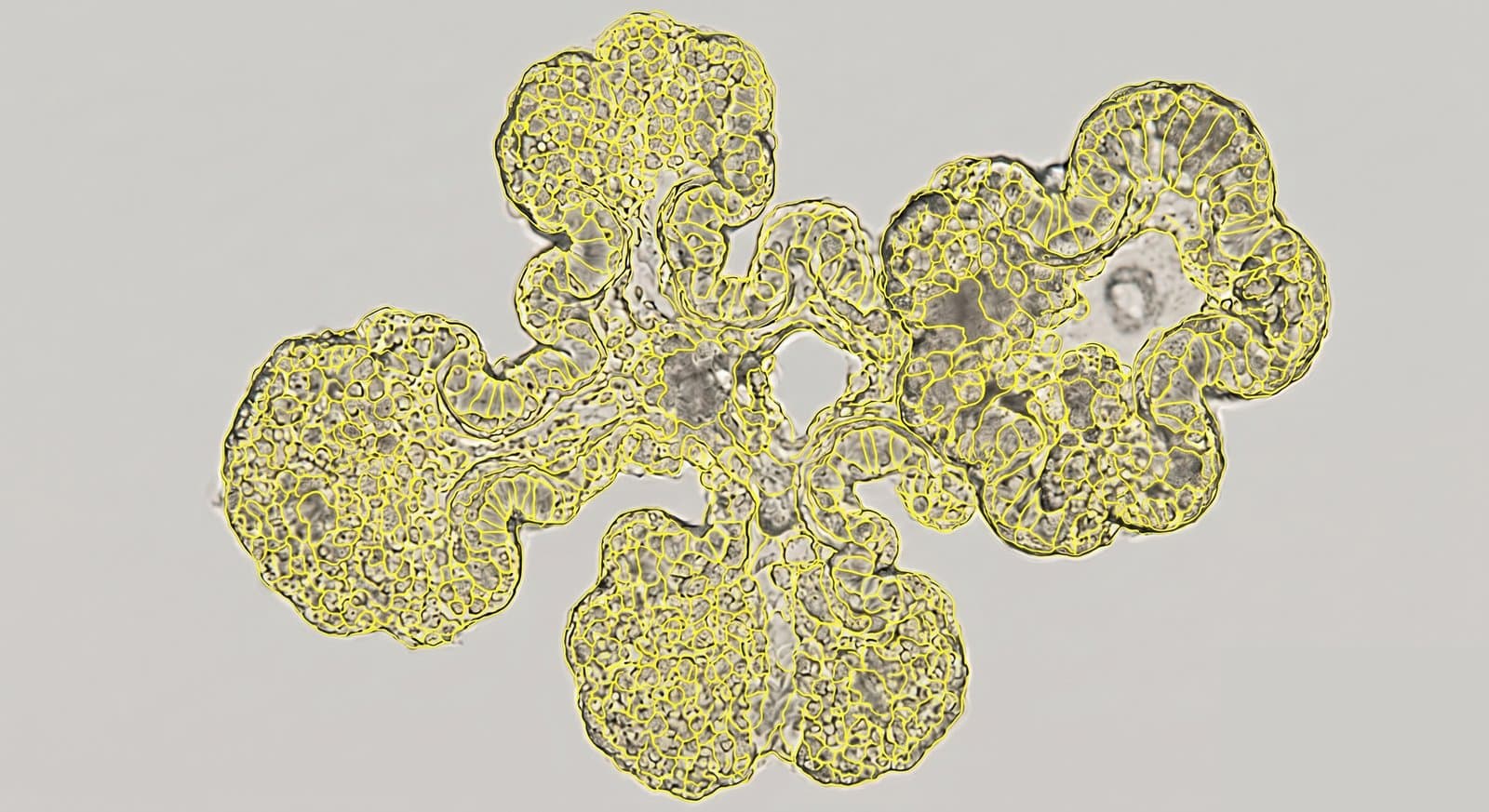
A retinal organoid, 8-channel. Nervoid traces and types 3,014 cells into ten retinal identities and maps toxicity and pathway activity across the structure.
Model Retinal_DINOv2_v1.0 · Retinal organoid, 8-channel
- 3,014
- Cells analyzed
- 10
- Cell types
- Bipolar
- Dominant type
- Early diff.
- Stage
retinal identities
33.4%
progenitor to photoreceptor
Representative figures.
Every cell, traced
Nervoid finds and outlines every cell across the organoid section, with no stain.
Representative figures.
Typed cell by cell
Each cell is classified into one of ten retinal identities, from progenitors and bipolar cells to early photoreceptors, rods and cones.
Representative figures.
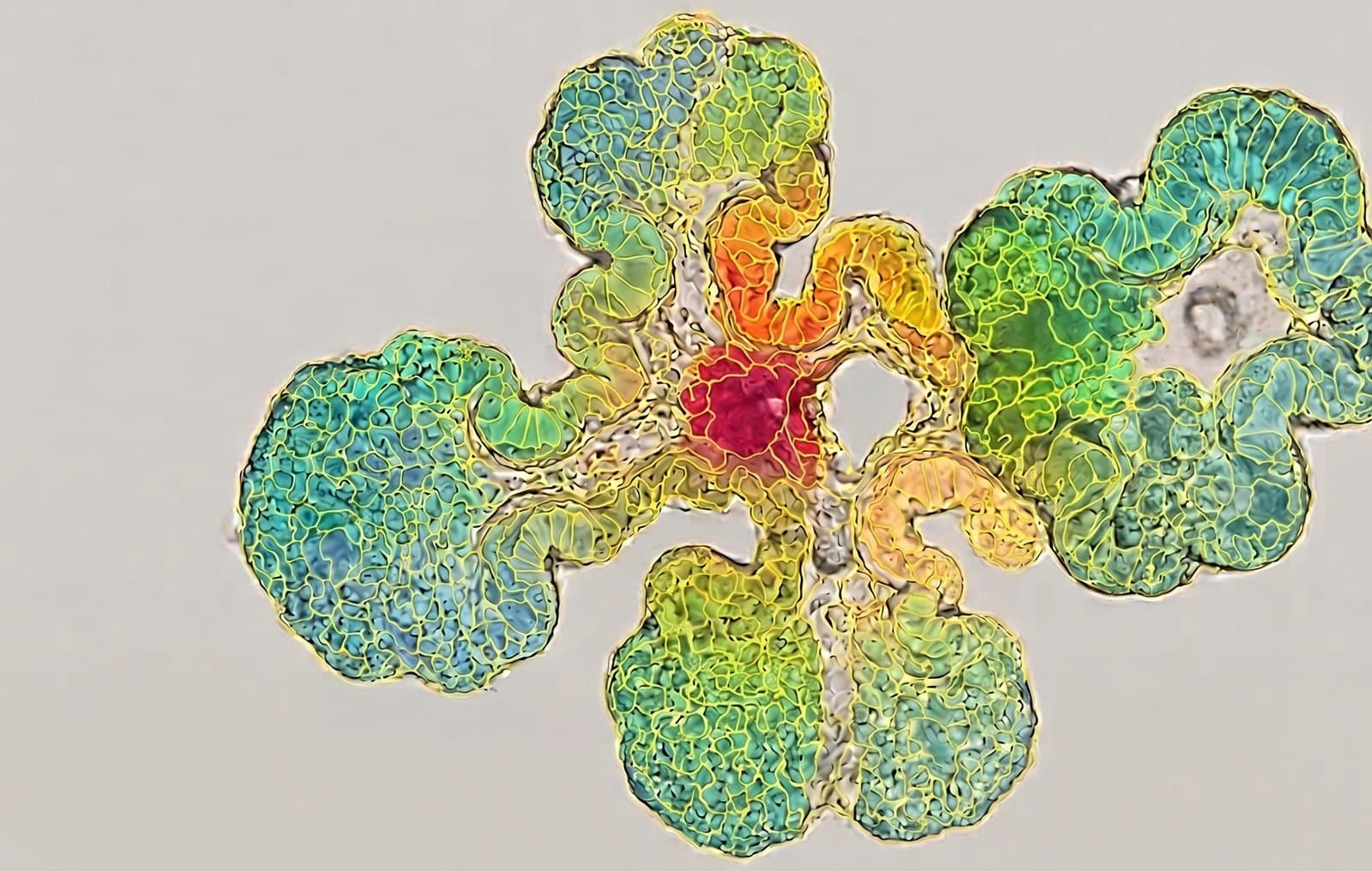
Toxicity, spatially resolved
A toxicity readout across the full structure, so liabilities show up where they happen, not just as a single number.
Representative figures.
Differential gene expression
Expression changes that separate differentiating cells from the baseline population.
Representative figures.
Signaling pathways
Activity score with direction of change.
- Stem cell maintenance▲61
- Phototransduction▲56
- Synaptic transmission▼49
- Neuronal development▼49
- Cytoskeleton▼47
- Ion transport▼45
See these readouts on your own images.
Send us an assay and we will run it through the same pipeline and walk through the results together.
Request a demo